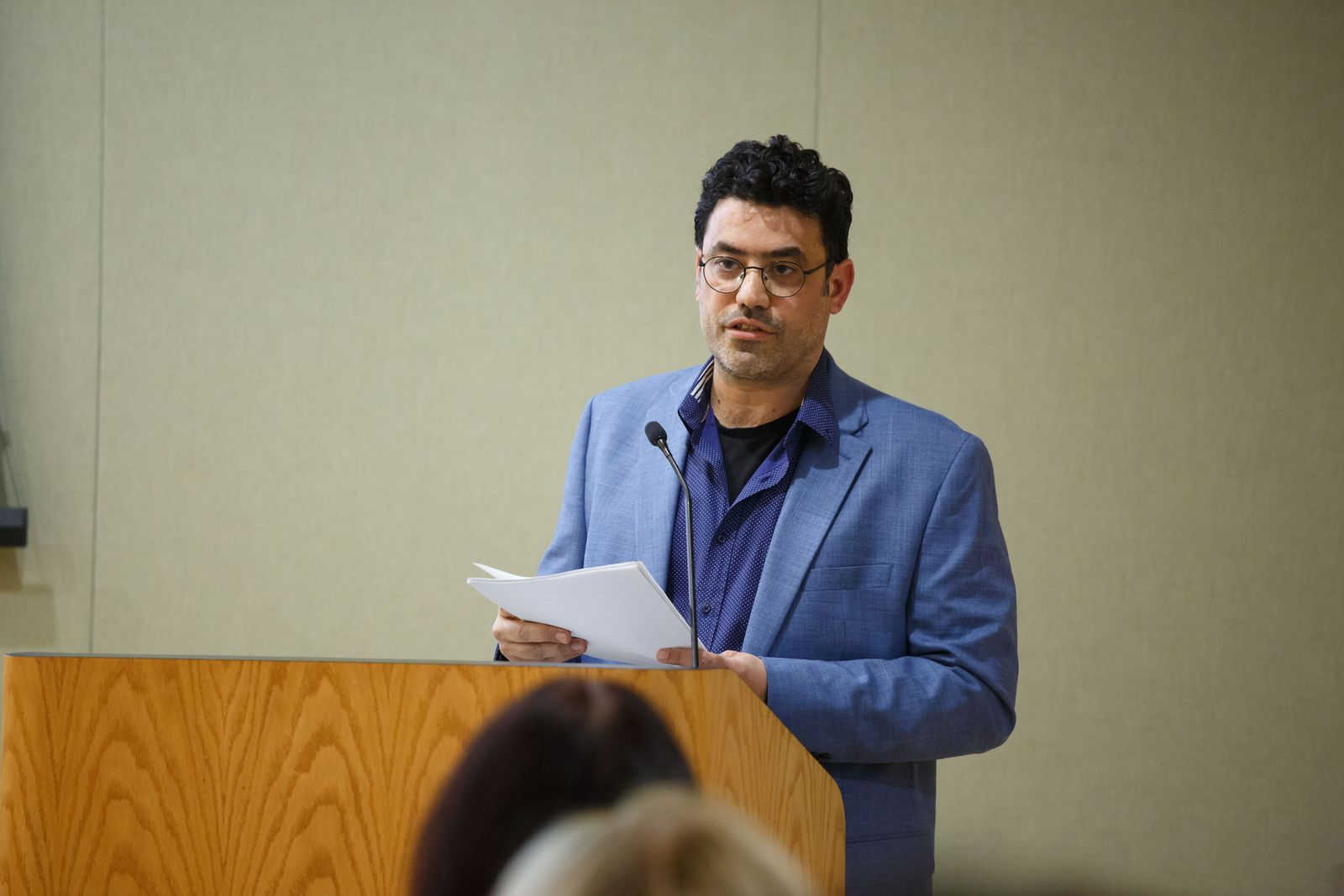
About Me
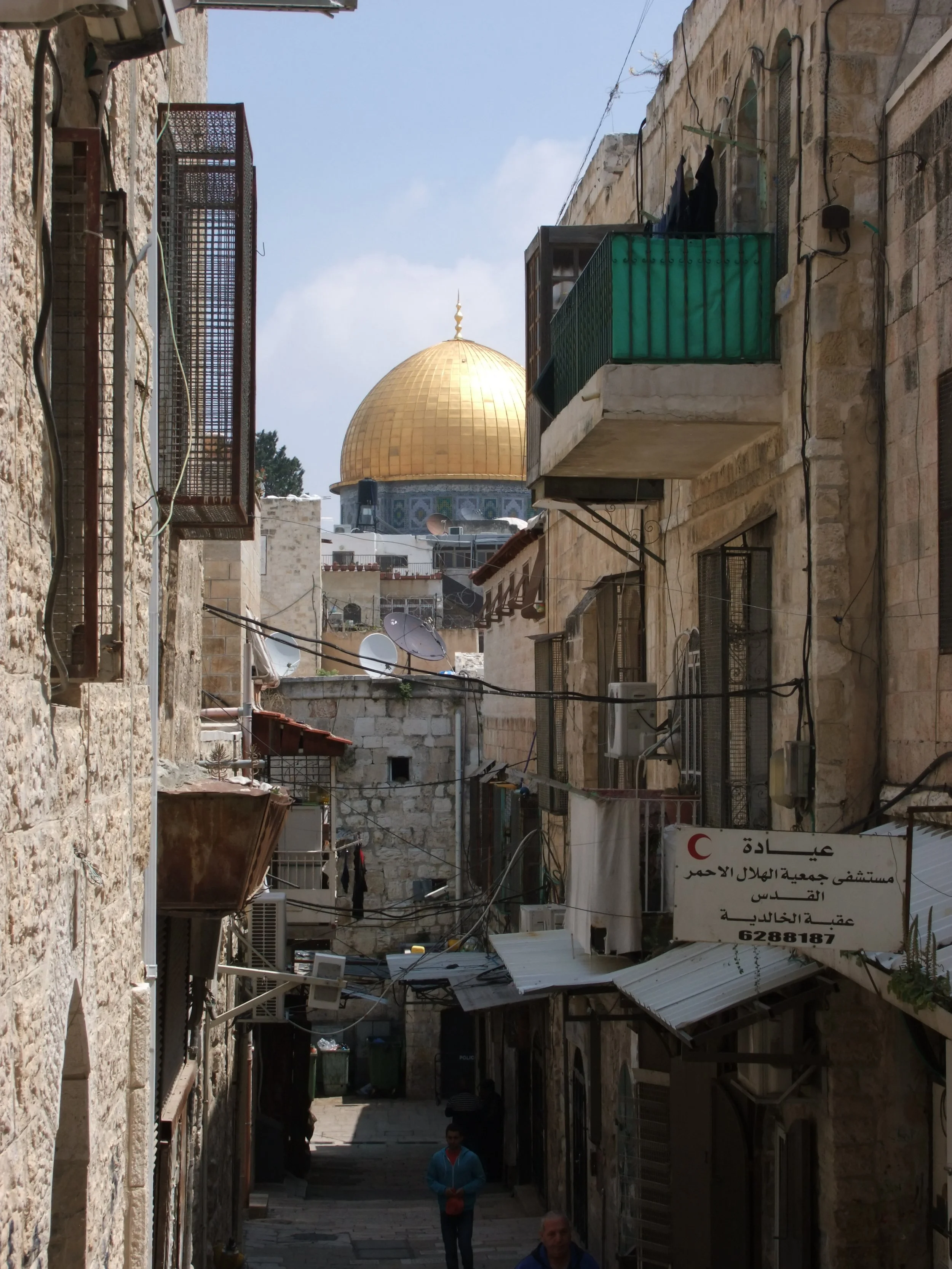
Introduction
The formation of new national identities in twentieth-century Palestine/Israel often involved the exclusion of cross-border figures who embodied both Arab and Jewish histories.
This theme of crossing borders and migration has been central to my research since the early stages of my academic career, paralleling the cultural transitions experienced by my own family following their migration from Iraq to Israel in the early 1950s. Indeed, my academic journey can be traced back to my upbringing in Beer Sheva in the wake of this migration from Iraq.
The presence of Arabic culture in my home contrasted sharply with the official narrative in Israel that sought to distance Israeli society from its Arab roots. This transition from Arabic to Hebrew, including the change of our family surname from “Arab” to “Ivry” (“Hebrew”), sparked my academic exploration of the divisions between Jewish and Arab identities.
Education
My academic trajectory spans institutions in the UK, Germany, and Israel, and now Brandeis University, where I began in July 2021.
BA at Hebrew University of Jerusalem
MA at Hebrew University of Jerusalem
PhD at Tel Aviv University
Since completing my PhD at Tel Aviv University in 2014, I have had the privilege of holding various esteemed positions:
Leverhulme Early Career Fellow at King’s College London (2019–2021)
Fellow at the Herbert D. Katz Center for Advanced Judaic Studies at the University of Pennsylvania (2018)
Postdoctoral fellow at SOAS University of London (2016–2018)
Faculty member at the Mandel Leadership Institute in Jerusalem (2014–2016)
EUME postdoctoral fellow at the Forum Transregionale Studien in Berlin (2013–2014)
Research Interests
1. Language, Borders, and Translation
My research in this area explores questions of language as a marker of identity and of cultural and geographical boundaries and examines how linguistic shifts and translation practices impact cultural and intellectual identities.
2. Theory, Politics, and Land/Territoriality
My work in theory, politics, and land addresses the complex interactions between national identity, territoriality, and political movements.
3. Intellectual History
My scholarship in the context of intellectual history explores Sephardi and Middle Eastern Jewish thought at the turn of the twentieth century, emphasizing its impact on historical and cultural narratives
Current Work
Teaching at Brandeis University
Mentoring PhD students in Near Eastern and Judaic Studies
Service on the Academic Research Advisory Committee for the National Study of Sephardic and Mizrahi Jews in the United States, led by Dr. Mijal Bitton at NYU (2023–2025).
Current Book:
Recent Articles:

Reviews
The Return to Al-Andalus is relevant to current-day Israel. Evri shows that the conflict between Mizrahi and Ashkenazic Jews that continues to divide Israeli society did not start in the 1950s with the hegemonic Ashkenazic establishment’s discrimination against, and marginalization of, immigrants from Middle East countries. Decades before, in the early twentieth century, the Ashkenazic elite already perceived Sephardim as a problem. In the eyes of the elite, the Sephardim would have to change; they were obliged to integrate into the dominant culture that the Ashkenazic newcomers created in order to be considered true sabras.
— Prof. Menachem Klein
In Yuval Evri's book, a profound contribution is made to the scholarly discourse on Sephardi identity and memory, particularly through the innovative approach of “Sephardi as a Category of Practice.” This category offers a groundbreaking perspective on the complex relationship between Sephardi and Ashkenazi Jews, especially in the context of Palestinian Jews during the early twentieth century. By drawing on a wide range of interdisciplinary sources, Evri’s work delves deeply into the Sephardi experience over the last 150 years, shedding light on how Sephardi Jews have navigated their identities within the broader framework of nationalism and modernity. The book is a significant achievement, marking a critical milestone in the study of Jewish history and identity, as it challenges existing categories and redefines the boundaries of scholarly inquiry in this field.
— Prof. André Levy
Professor Evri taught this course with respect to the relational paradigm rather than the dual paradigm we are so accompanied to from popular media. This unique approach to the conflict, where we were able to think about the existence of Arab Israelis, Palestinian Jews, and all others occupying the intersections of this conflict, better illuminated the complex, interwoven nature of this decades-long struggle. Professor Evri embodied the complicated nature of the history we study, never providing easy answers, and never projecting a political or ideological perspective onto the course material. Professor Evri’s ability to weigh the very many mechanisms governing this conflict was invaluable to my experience in this course.
— Brandeis Student, Spring 2026